Technology Platform

Clinical Trial Platform for New Drugs

New Drug Clinical Trial Platform

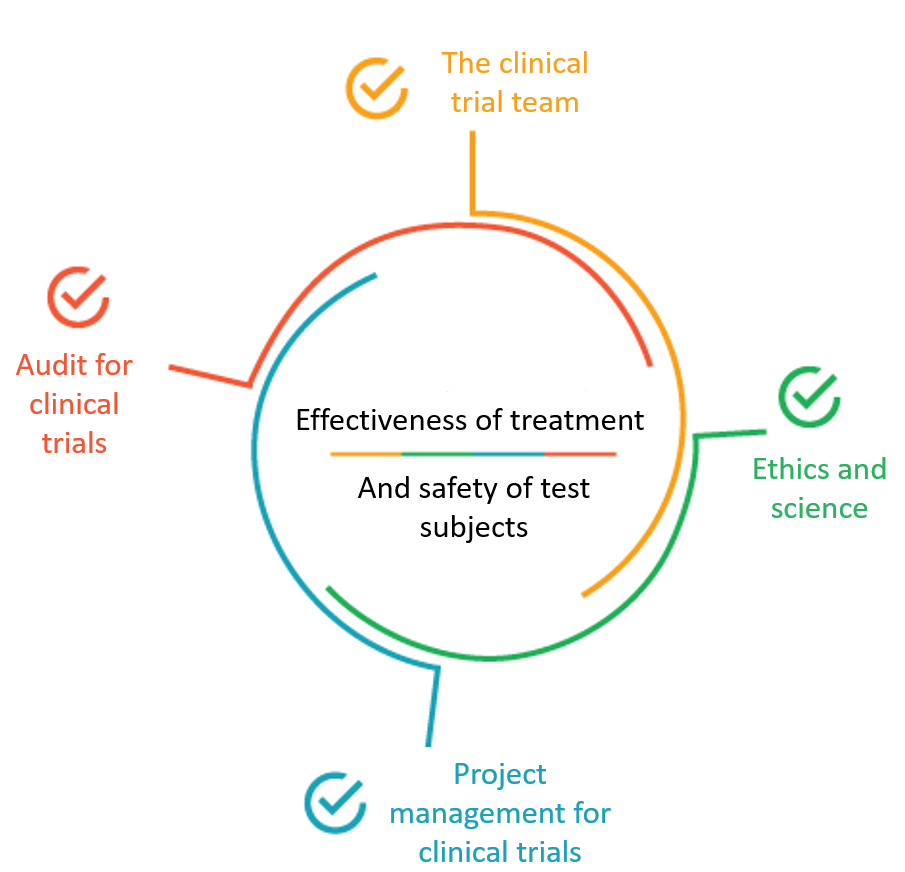
Continuing the achievements of the various technology platforms of the R & D center, promoting and integrating clinical trials of new drugs, and mastering the technology required for each new drug development stage while complying with domestic and foreign regulations.

Controlling trial progresses and improving efficiency through project management methods, taking into account the safety of the subjects and reaching compliance with laws and regulations, and accelerating towards the goal of industrialization and commercialization of new drug trial results.

      Clinical trial platform for new drugs

Immune Cell Calibration Technology Platform

Image Calibration of Immune Cells

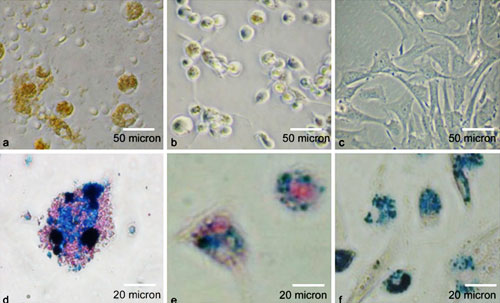
With the rapid development of cell biology and molecular biology technology, the research on the technology of using magnetic nanoparticles for cell identification continues to increase. Labeling cells with imaging agents, using MRI to track the distribution, movement and location of cells after cell transplantation in vivo, will allow scientists and physicians to grasp the trends and safety of cell transplantation. The MRI imaging agent currently developed by MegaPro Biomedical can also be used for immune cell labeling, including T-lymphocytes, macrophages and dendritic cells. The effect of cell phagocytosis can be carried out externally or the developer can be directly injected into the body, and by applying the higher phagocytic activity of this type of phagocytes to mark it (Figure 1).
ITRI IOP 1

Figure 1:Light microscopy of cells labeled with ITRI-IOP. Light microscopy of a macrophages, b dendritic cells, and c MSCs cocultured with ITRI-IOP for 24 h.

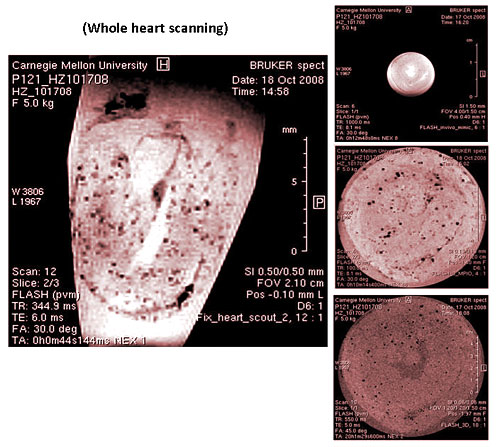
After the cells are labeled with nanoparticles, coupled with high-resolution nuclear magnetic imaging equipment to track the migration of cells in the body, scientists are thus able to understand the phenomena of many immune responses, including the activation and reaction process of macrophages during tissue transplant rejections, the tracking of autoimmune diseases, and the detection of cancer cell movements in lymph nodes during metastasis. These applications will help the diagnosis of diseases and allow physicians to conduct treatment and use drugs at the most appropriate time (Figure 2).
ITRI IOP 2

Figure 2: The process of tissue transplant rejection. Tracking phagocytic cells in vivo through a non-invasive method.

Cellular and Molecular Imaging Technology Platform

The application of MRI Imaging Technology (Magnetic Resonance Imaging, MRI)

is becoming more and more popular in diagnostic imaging medicine, and it has been growing rapidly in recent years.  MRI images are non-invasive medical images, and are commonly used for early diagnosis of various diseases, such as cancer, multiple sclerosis, brain degeneration, and senile spine tuberculosis.  Its range of application has become broader and broader with the development of instruments and imaging technology.  Our company developed a new contrast agent (IOP Injection) with PEG surface modified iron oxide nanoparticles to calibrate cells.  After cell transplantation, MRI is used to track the distribution, movement, and location of cells.  This can allow scientists and doctors to keep track of the movement and safety of the cells after transplantation.  In addition, IOP Injection can also be used for immune cell labeling, including T-lymphocytes, macrophages, and dendritic cells.  IOP Injection can also specifically calibrate internal T-cells, providing very good cell-level MRI tracking images, which makes great contributions to future regenerative medicine and inflammatory diseases.

Table